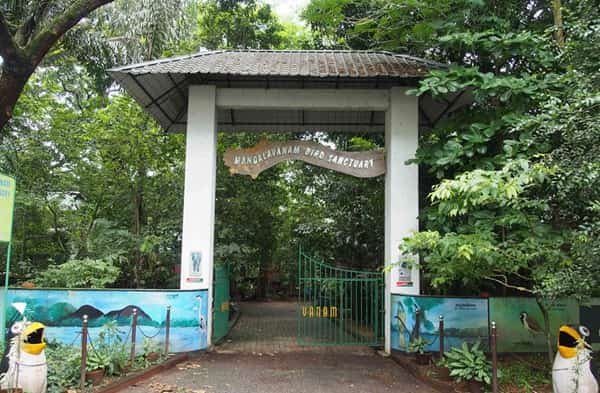
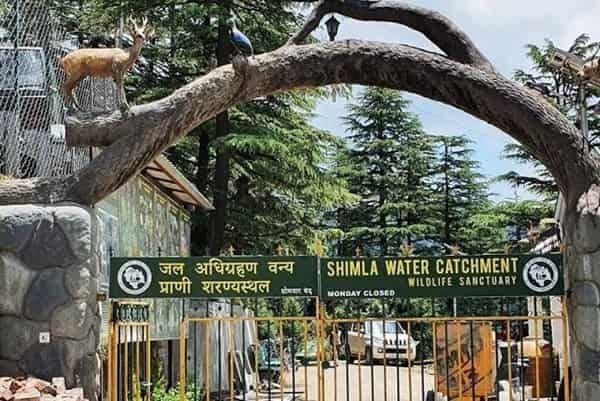
Shoolpaneshwar Wildlife Sanctuary is one of the largest protected forest landscapes in eastern Gujarat and one of the most rewarding nature escapes around the Statue of Unity region. Spread across roughly 607.7 sq km in Narmada district, the sanctuary protects rugged hills, teak-dominated woodland, riverine forest, dry deciduous tracts, streams and deep valleys close to the Gujarat-Madhya Pradesh border. The protected area began in 1982 as the smaller Dumkhal Sanctuary, created mainly for the conservation of sloth bears, and was later expanded and renamed Shoolpaneshwar Wildlife Sanctuary.
What makes Shoolpaneshwar especially useful for travellers is that the experience is not limited to a single safari road. The sanctuary landscape includes forest drives, nature walks, eco-tourism sites and scenic places such as Zarwani Waterfall. Leopard, sloth bear, pangolin, barking deer, porcupine and several reptiles and birds occur in the wider forest, but large mammals are naturally shy and should never be treated as guaranteed sightings. For most visitors, the real appeal comes from the scale of the forest, post-monsoon waterfalls, bird calls, tribal landscape and the chance to add a genuine nature day to a Statue of Unity or Rajpipla itinerary.
Quick About Shoolpaneshwar Wildlife Sanctuary
| Detail | Information |
| Location | Narmada district, eastern Gujarat, near the Gujarat-Madhya Pradesh border |
| Protected Area | Wildlife Sanctuary |
| Area | About 607.7 sq km |
| First Protected | 1982 as Dumkhal Sanctuary |
| Present Name | Shoolpaneshwar Wildlife Sanctuary after later expansion |
| Main Habitat | Teak forest, riverine forest and dry deciduous woodland |
| Known For | Sloth-bear habitat, forest landscapes, Zarwani Waterfall and birdlife |
| Nearest Tourism Hub | Ekta Nagar / Statue of Unity region |
| Nearest Major City | Vadodara |
| Best Overall Period | November to February; post-monsoon for waterfalls |
Shoolpaneshwar Wildlife Sanctuary Timings
Gujarat Tourism lists the sanctuary visiting period simply as dawn to dusk rather than giving one fixed opening and closing hour for every forest entry point. This is important because Shoolpaneshwar is a large protected landscape with different checkposts, eco-tourism sites and forest roads rather than a compact gated attraction.
Visitors should therefore plan the trip entirely within daylight and avoid beginning a forest walk or waterfall route late in the afternoon. Individual eco-tourism sites such as Zarwani can have their own checkpost and last-entry arrangements, especially during the monsoon and on busy weekends.
| Visit / Activity | Practical Timing | Planning Note |
| General sanctuary visit | Dawn to dusk | Official Gujarat Tourism wording |
| Best time to start | Around 7:00 AM to 9:00 AM | Cooler weather and better bird activity |
| Zarwani / eco-tourism visit | Daylight hours; check local gate timing | Local access may differ from general sanctuary timing |
| Late-evening forest entry | Not recommended | Return before dark |
Heavy rain, forest work, fire risk or wildlife movement can lead to temporary route restrictions. If the purpose of the trip is a specific waterfall, trek or eco-campsite, confirm that particular site is open before starting the drive.
Shoolpaneshwar Wildlife Sanctuary Ticket Price
The current Gujarat Tourism sanctuary page does not publish one universal per-person entry tariff for Shoolpaneshwar Wildlife Sanctuary. This is safer to state clearly because several online travel pages quote different figures, often mixing general sanctuary entry with Zarwani eco-tourism or vehicle-checkpost charges.
For a realistic budget, treat forest permits, local vehicle entry, guided treks and any eco-tourism package as potentially separate charges. The amount displayed at the authorised forest checkpost or booking counter on the day of visit should be treated as final.
| Charge | Current Planning Information |
| General sanctuary entry | Current fixed amount is not clearly published on the official Gujarat Tourism page |
| Zarwani / eco-tourism access | Permit or local entry charge may apply |
| Vehicle entry | May be charged separately at a forest checkpost |
| Guide / trek | Separate if an organised forest activity is booked |
| Camping / cottage | Separate eco-tourism tariff, subject to availability |
Carry a digital payment option as well as some cash. Forest and eco-tourism tariffs can change without older travel pages being updated, so a current checkpost receipt is more reliable than a years-old online price.
What to See and Do at Shoolpaneshwar Wildlife Sanctuary
Shoolpaneshwar is best explored as a landscape rather than a checklist of attractions. Its forests stretch over hills and valleys cut by streams that become especially dramatic after the monsoon. The sanctuary can be combined with the wider Narmada tourism circuit, but travellers who enjoy nature should give it enough time rather than treating it as a short detour from the Statue of Unity.
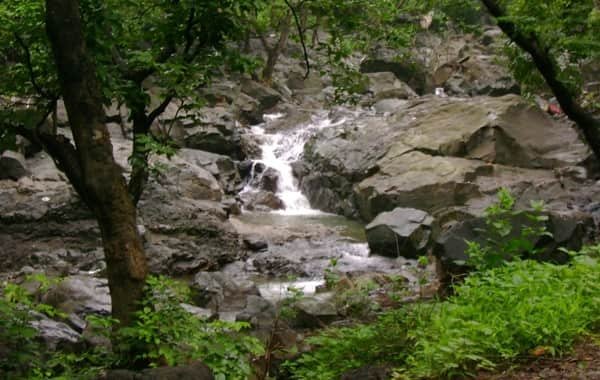
- Zarwani Waterfall: This is the best-known visitor attraction inside the sanctuary landscape. The waterfall drops through rocky forest terrain and is at its most impressive after the monsoon. The final approach can involve wet rock and uneven ground, so good footwear matters.
- Forest birding: Grey hornbill, junglefowl, raptors, owls and many smaller woodland birds occur in the sanctuary. Early-morning observation is far more productive than a noisy midday picnic-style visit.
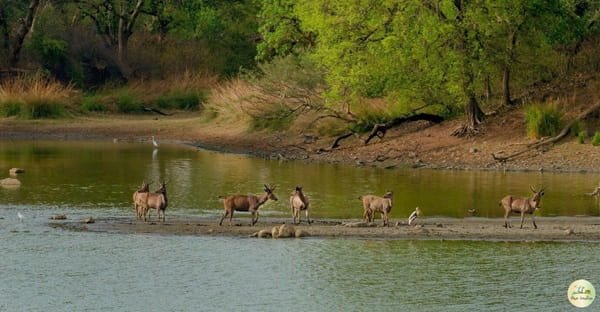
- Wildlife signs: Leopard, sloth bear, pangolin, barking deer, four-horned antelope and porcupine occur in the wider protected forest. Most visitors will see tracks, calls, monkeys, deer or birds more easily than shy carnivores.
- River and stream habitat: Riverine forest adds ecological variety to the teak-dominated landscape. Seasonal streams also create excellent post-monsoon scenery and support reptiles, amphibians and birdlife.
- Eco-tourism and trekking: Forest Department-supported day picnics, guided walks and eco-campsite activities may be available depending on season and local operation. These should be arranged through authorised channels rather than improvised inside the forest.
Wildlife and Forest Habitat
The sanctuary represents a transition zone in eastern Gujarat where the Deccan Plateau landscape meets river valleys and hill forest. Teak is a dominant tree in many sections, accompanied by species such as timru, khair, karanj and mahua. The variation between dry deciduous and riverine vegetation gives animals access to different food and shelter conditions within a large connected forest.
Shoolpaneshwar was originally protected for sloth bears, but the conservation value is much broader. Leopard, pangolin, Indian porcupine, barking deer and other mammals share the forest with reptiles such as rock agama, marsh crocodile, red sand boa, Russell’s viper and common krait. Visitors should remember that a large sanctuary is not a zoo: wildlife is free-ranging, and a quiet forest day without a major mammal sighting can still be a very good visit.
How To Reach Shoolpaneshwar Wildlife Sanctuary
By Road
The sanctuary is approached through Narmada district, with Rajpipla and the Ekta Nagar/Statue of Unity region serving as useful bases. Gujarat Tourism places the sanctuary roughly 90 km from Vadodara. Travellers heading specifically to Zarwani generally continue from the Rajpipla-Kevadia side towards the relevant forest checkpost.
By Train
Vadodara Junction remains the major long-distance railway hub on the Delhi-Mumbai route. Ekta Nagar railway station is much closer to the Statue of Unity tourism zone and can be convenient for travellers whose train serves it, after which a taxi is needed for the forest approach.
By Air
Vadodara Airport is the nearest major airport commonly cited for Shoolpaneshwar and is roughly 90-100 km away depending on the entry point. A pre-arranged cab is the simplest option for a same-day forest visit.
Local Transport
Public transport becomes less convenient once the route moves into the sanctuary side. For waterfalls, trails or eco-campsites, a private taxi or pre-arranged local vehicle is much more dependable than expecting an app-based cab for the return journey.
Best Time to Visit Shoolpaneshwar Wildlife Sanctuary
November to February is the best all-round season. Day temperatures are more comfortable, walking conditions are easier and visitors can spend longer outdoors without the intense heat of late spring. This is also a good period for forest birding and for combining the sanctuary with nearby Narmada attractions.
The weeks immediately after the monsoon have a different appeal. Waterfalls and streams carry more water, the hills are greener and the forest feels fresh. At the same time, muddy roads, slippery rock and sudden rain demand more care. Peak summer is the least comfortable period for casual sightseeing, although early mornings can still be rewarding for experienced nature visitors.
How Much Time to Keep for the Visit
A short forest-and-waterfall outing needs around three to four hours after reaching the sanctuary side. A better half-day plan allows time for the checkpost, a slow walk, Zarwani or another eco-tourism point and unhurried birdwatching. Travellers staying near Ekta Nagar can comfortably dedicate most of a day to nature and return before dark.
Visitor Facilities and Practical Tips
- Carry proper footwear: Forest paths and waterfall approaches can be wet, rocky or muddy, especially after rain.
- Take drinking water: Do not assume shops will be available after every checkpost or on interior routes.
- Keep offline maps: Mobile signal may weaken in valleys and forested sections.
- Use binoculars: The sanctuary is far better for patient forest observation than for close-range wildlife viewing.
- Check weather before a monsoon visit: Heavy rain can make streams unsafe and may trigger temporary access restrictions.
- Pair attractions realistically: The Statue of Unity and Shoolpaneshwar can be combined, but trying to fit too many forest points into a few hours reduces the quality of the visit.
Important Rules for Visitors
Do not enter closed forest tracks, feed wildlife, play loud music, throw plastic waste or approach animals for photographs. Fires, smoking and careless disposal of glass or cigarettes can be dangerous in dry deciduous forest. Follow every instruction from forest staff even when an alternate track looks open.
Waterfall safety deserves equal attention. Avoid standing on wet cliff edges, entering fast-flowing pools or allowing children to move unsupervised near slippery rock. Forest streams can rise quickly after heavy rain, so local closure instructions should never be ignored.
FAQs About Shoolpaneshwar Wildlife Sanctuary
Q. Is Shoolpaneshwar suitable for a family day trip?
Yes, if the family chooses accessible eco-tourism points rather than difficult interior treks. Zarwani and forest viewpoints can work well for families, but wet-season terrain requires close supervision of children.
Q. Can visitors expect to see a sloth bear?
No sighting is guaranteed. The sanctuary was originally protected for sloth-bear habitat, but sloth bears are shy and often active when ordinary tourists are not present. Seeing one should be treated as luck, not an expectation.
Q. Is a guide compulsory everywhere?
Not for every roadside or designated visitor point, but a guide is strongly recommended for organised trekking or unfamiliar forest routes. Never leave an approved route simply because a map appears to show a shortcut.
Q. Can Shoolpaneshwar be combined with the Statue of Unity?
Yes. The two are part of the same wider Narmada tourism region. For a quality trip, visit the major Statue of Unity attractions on one part of the day and reserve a separate half-day for the sanctuary rather than rushing both.
Q. Is the sanctuary good for photography?
Yes, particularly for forest landscapes, waterfalls, birds, butterflies and post-monsoon scenery. Wildlife photographers should carry a telephoto lens and accept that large mammals may remain hidden.
Q. Are food and fuel easily available inside the forest?
Not reliably. Fill fuel before the deeper forest approach and carry sufficient water and simple food. Use designated rest areas and take all waste back out.