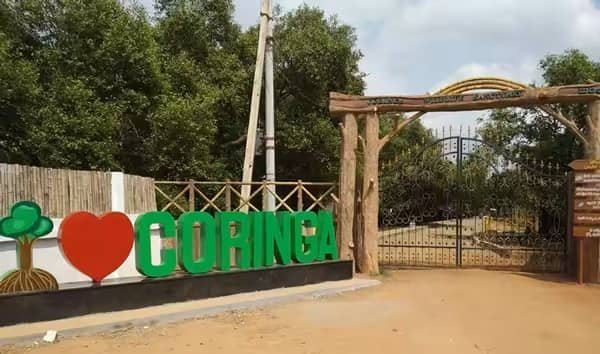
The central Indian forest is not always a wall of tall trees. Across the upper Vindhyan plateau of Madhya Pradesh, dry deciduous woodland opens into grassland, rocky ridges, seasonal streams and broad stretches of country where wildlife can move between different habitats. Veerangana Durgavati Tiger Reserve protects this distinctive landscape across parts of Sagar, Damoh and Narsinghpur districts. Notified in 2023 and named for the sixteenth-century Gond queen Rani Durgavati, it is one of the state’s major additions to tiger conservation. The reserve is known for its open terrain, Indian grey wolves, deer, raptors and developing tiger habitat as much as for the possibility of spotting a tiger itself.
With an officially recorded total area of about 2,339.12 sq km, this is a much larger protected landscape than a single tourist entrance might suggest. It incorporates the Nauradehi area and the Veerangana Durgavati wildlife landscape, with a core and a buffer managed for conservation. For visitors, the practical experience is a booked excursion on designated forest routes, not permission to roam the whole reserve. The tourism operation is still less familiar to many travellers than Kanha or Bandhavgarh, and published prices differ between the reserve’s own older information pages and Madhya Pradesh Tourism’s July 2026 guide. A good visit begins by checking the official MPOnline permit listing, confirming the departure point, and choosing to appreciate the open woodland and its wildlife rather than expecting a guaranteed tiger photograph.

Quick About Veerangana Durgavati Tiger Reserve
| Detail | Information |
| Location | Sagar, Damoh and Narsinghpur districts, Madhya Pradesh |
| Protected Area | Tiger reserve notified in 2023 |
| Total Area | 2,339.12 sq km (NTCA listing) |
| Core Area | 1,414.006 sq km (NTCA listing) |
| Buffer Area | 925.120 sq km (NTCA listing) |
| Landscape | Upper Vindhyan plateau; dry forest, grassland and rocky habitat |
| Known For | Tiger conservation, Indian grey wolves, deer, vultures and open woodland |
| Tourism Base | Nauradehi / Mohli-area forest-tourism arrangements, depending on booked zone |
| Common Railheads | Sagar, Damoh and Jabalpur |
| Air Gateway | Jabalpur Airport |
| Best Safari Months | October to March for moderate temperatures |
| Booking Channel | Madhya Pradesh Forest Department / MPOnline safari system |
Veerangana Durgavati Tiger Reserve Timings
The active Madhya Pradesh forest-booking portal lists seasonal morning and evening entry windows. For trips from October 2026, its general schedule shows a morning entry at 6:00 AM and exit by 11:30 AM, and an evening entry at 3:00 PM with exit by 6:00 PM in October and November. These are statewide booking-portal reference windows: the permit for the chosen Veerangana Durgavati zone is the authority for reporting and departure.
| Visitor Activity | Timing | Important Note |
| Morning safari, October–November | 6:00 AM entry; 11:30 AM exit (portal schedule) | Verify the reserve-specific slot on permit |
| Evening safari, October–November | 3:00 PM entry; 6:00 PM exit (portal schedule) | Report before allotted boarding time |
| December–January, morning | 6:20 AM entry; 11:30 AM exit (portal schedule) | Seasonal timetable can change |
| April–June safaris | Earlier mornings and later evenings | Check the permit calendar and heat alerts |
| Monsoon core-tourism closure | Usually July–September | Verify which zones are actually open |
The reserve website also carries an older timetable whose displayed dates and hours are not a complete current-year schedule. Trust the slot and gate printed on your current permit. Entry may be restricted for forest management, poor roads, fire danger or wildlife movement even in a generally open season.
Veerangana Durgavati Tiger Reserve Ticket Price
Two official tourism sources currently quote different reference charges. A Madhya Pradesh Tourism article dated 13 July 2026 lists ₹1,320 per safari vehicle (up to six people) for the permit and about ₹3,000 for a gypsy, with guide cost additional. The reserve’s own older excursion page instead lists ₹250 per visitor and ₹2,500 for a two-hour gypsy outing. These are not interchangeable all-inclusive prices; the live MPOnline booking checkout and local vehicle and guide quotations should decide the actual budget.
| Visitor / Activity | Published Charge / Arrangement |
| 2026 MP Tourism vehicle permit reference | ₹1,320 per vehicle for up to six; confirm at checkout |
| 2026 MP Tourism gypsy hire reference | About ₹3,000 per safari; separate from permit |
| Guide / applicable service charges | Additional; check exact permitted safari |
| Reserve website older entry reference | ₹250 per head; may be outdated |
| Reserve website older gypsy reference | ₹2,500 for a stated two-hour trip; may be outdated |
| Accommodation / special photography | Separate booking or written permission |
Budget for the entire outing rather than only the first number shown: permit, vehicle, guide, taxes or portal fees and travel to the correct gate can be separate. Do not send money to an individual claiming to reserve a tiger sighting, and verify cancellation rules before payment.
What to See and Do at Veerangana Durgavati Tiger Reserve
Veerangana Durgavati’s open landscapes invite visitors to notice the entire ecosystem. The reserve has scenic water sources, plateau habitats and a growing conservation story. The exact stops depend on the safari route booked and the forest department’s restrictions.
- Authorised forest safari: A guided vehicle excursion is the principal way to experience the protected area. The journey may pass scrubland, woodland, grassland and seasonal watercourses, but the itinerary is dictated by the approved tourism zone.
- Indian grey wolves and open habitat: The reserve is known for supporting wolves in its grassland and scrub mosaic. A distant animal moving across open ground may be the day’s most distinctive sighting; keep the vehicle stationary when instructed.
- Chhewla Pond and other water sources: The reserve website highlights Chhewla Pond and sites such as the Bamner River and Chakai Nala. Access depends on the visitor route; water points are animal-use areas and must not be approached independently.
- Birds of prey and vultures: Rocky escarpments and open country support a range of raptors and scavengers. Bring binoculars and watch the sky as carefully as the forest floor.
- Grassland and dry-deciduous forest: The plateau’s mix of open vegetation and teak woodland differs markedly from the dense, moist forests tourists may associate with India’s tiger reserves.
- Mohli-area forest stay, if authorised: The reserve website identifies a forest rest house in Mohli. Such accommodation should be treated as a permission-based booking, not an ordinary hotel with guaranteed walk-in rooms.
- Historical and nearby countryside: The reserve takes its name from Rani Durgavati. Nearby cultural sites can add meaning to a longer trip, but visitors should distinguish attractions outside the tiger reserve from protected-area stops.
Wildlife and Habitat
The upper Vindhyan terrain holds dry deciduous forest, grassland, scrub and rocky slopes, with seasonal rivers and pools providing important water. Tigers, leopards, Indian grey wolves, striped hyenas, jackals, deer, wild pigs and a wide range of smaller mammals occur in the wider landscape. The tiger conservation effort has involved reintroduction and habitat management, but population totals reported in promotional articles can change quickly. A precise count should not be presented as a promise that a tourist will meet a tiger on a particular safari.
The area matters at a landscape scale. Conservation authorities recognise it as a potential ecological link between protected forests of central India, helping wildlife move across broad ranges instead of relying on isolated fragments. Grasslands sustain their own species, and reducing the entire park to ‘tiger country’ overlooks wolves, vultures, raptors, insects and herbivores. A quiet safari may reveal spoor, alarm calls and feeding behaviour even without large-predator sightings.
The reserve’s 2023 notification records a core split between a large Nauradehi portion and a smaller Veerangana Durgavati portion, surrounded by a buffer. Those management areas are not a set of freely accessible tourist roads. Protection depends on limiting disturbance, reducing conflict and keeping movement corridors functional.
How To Reach Veerangana Durgavati Tiger Reserve
By Road
Sagar and Damoh are convenient regional starting points, with Jabalpur another major base. Madhya Pradesh Tourism gives indicative regional distances of about 70 km from Sagar or Damoh and 95 km from Jabalpur, but those cannot serve as exact gate distances across a reserve of more than 2,300 sq km. Choose the tourism zone and gate first, then calculate the correct road route and reporting time.
By Train
Sagar, Damoh and Jabalpur are useful railheads. Which is best depends on the permit’s starting point and your onward transport. Arrange a reliable vehicle to the assigned gate in advance; early-morning safaris are difficult to reach by relying on a last-minute local taxi.
By Air
Jabalpur Airport is the main practical air gateway identified by Madhya Pradesh Tourism. From the airport, travel by road to the chosen accommodation and designated safari gate. Allow for rural roads and avoid scheduling your first booked safari immediately after a late flight.
At the Entrance
Carry the original identification used to book, your safari permit and the payment confirmation. Report at the specified gate early enough for verification and vehicle/guide arrangements. Staff determine the legal route; a separate forest rest house, river or viewpoint mentioned online may not be within the day’s permitted visitor circuit.
Best Time to Visit Veerangana Durgavati Tiger Reserve
October to March generally offers comfortable safari weather, particularly from November through February when the mornings can be crisp. Drying vegetation and the chance to observe birds, herbivores and open-country mammals make this a rewarding period, although every animal remains unpredictable. Book well ahead for a weekend or public holiday once the relevant booking calendar opens.
April to June can offer longer daylight and dry forest views, but Central India becomes extremely hot. Carry ample water and take heat seriously. The monsoon, broadly July to September, normally closes many core tourism operations and makes tracks difficult or unsafe. Verify the exact seasonal status of the booked zone; a buffer activity being available elsewhere does not guarantee core safari access.
How Much Time to Keep for the Visit
Allow at least half a day for one safari including reporting, formalities and travel to the gate, even if the driving programme itself is shorter. Wildlife enthusiasts benefit from two authorised safaris on separate sessions or days because sightings can differ. An overnight stay in a suitable town or approved lodge is often more sensible than driving long distances immediately before a dawn departure.
Visitor Facilities and Practical Tips
- Book from the official forest portal: Check the selected park and gate rather than relying on an agent’s screenshot.
- Match identification details: Your safari permit and accepted photo ID should correspond.
- Budget all parts of the safari: Permit, gypsy, guide and local transport may be separate charges.
- Carry warm layers in winter: Open vehicles can feel cold at sunrise.
- Take water and sun protection: The dry-season plateau becomes hot and exposed.
- Bring binoculars: Wolves, raptors and herbivores may be observed at a distance.
- Verify rest-house availability: Forest accommodation is not guaranteed without confirmation.
- Obey guide and zone limits: Do not ask the driver to chase wildlife or enter restricted tracks.
Important Rules for Visitors
Remain inside the authorised safari vehicle unless staff specifically direct otherwise. Do not insist on getting closer to a tiger, wolf or any other wild animal, and do not block its path. Keep voices low, follow route limits and leave the park within the permitted time. Photography must not involve drones or filming outside the approved rules.
No littering, feeding wildlife, smoking, fires, music or collecting natural objects. Forest roads beyond the chosen visitor zone are not public sightseeing routes. If a sighting is not possible, do not pressure guides to break restrictions; conservation comes before the day’s photographs.
FAQs About Veerangana Durgavati Tiger Reserve
Q. Is Veerangana Durgavati the same as the former Nauradehi Wildlife Sanctuary?
The tiger reserve notified in 2023 incorporates the Nauradehi landscape and the Veerangana Durgavati sanctuary area. Older names still appear on some tourism pages, but the notified tiger reserve covers about 2,339.12 sq km including core and buffer.
Q. Why do government websites show different safari prices?
The reserve’s own excursion page carries older per-person and gypsy figures, while Madhya Pradesh Tourism’s July 2026 article describes a vehicle permit and a higher gypsy reference. The actual payable amount is the one shown for your zone and date in the current booking process, plus applicable services.
Q. Are tiger sightings common or guaranteed?
No wildlife sighting is guaranteed. Tigers inhabit the reserve, but its huge landscape, open habitat, season and route all affect visibility. Wolves, raptors, deer and smaller wildlife are valuable parts of the experience too.
Q. Can I book a safari at any gate after arriving?
That is risky. Zones, capacity and entry points are determined by the forest department and may have limited availability. Check the MPOnline listing and carry the confirmed gate-specific permit before travelling.
Q. Will visitors be able to see cheetahs in the reserve?
Plans and announcements about Project Cheetah should not be confused with an ordinary cheetah-viewing attraction. Do not promise cheetah sightings or access to a release area without a specific current official tourism programme.
Q. Can I stay inside the reserve overnight?
The reserve identifies forest rest-house facilities including Mohli, but such stays require advance confirmation, availability and permission. A safari ticket is not permission to camp or drive through the forest after closing time.