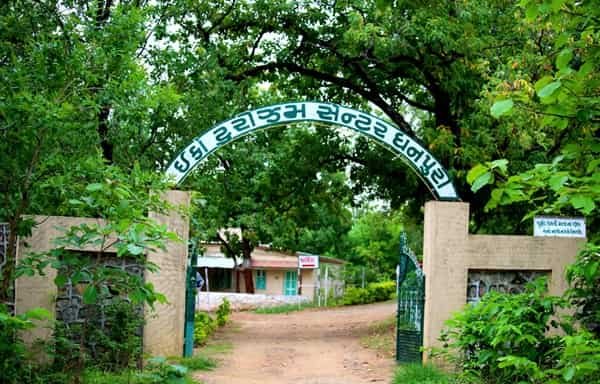
Dalma Wildlife Sanctuary rises almost directly from the industrial landscape around Jamshedpur, making the transition from city to sal forest unusually dramatic. The protected area spreads across about 193 sq km of the Dalma Hills in East Singhbhum and adjoining parts of Jharkhand, with ridges climbing to around 900 metres above sea level. It is best known as an elephant landscape: herds use the hills and forest corridors seasonally, while barking deer, wild boar, sloth bear, jackal and other mammals share the dry deciduous and sal-dominated habitat. The sanctuary is not designed as a polished zoo-style attraction. A visit is about forest roads, viewpoints, trekking routes, bird calls, the Makulakocha interpretation area and the possibility of wildlife appearing naturally rather than on cue. Dalma also has a strong cultural side, with a Shiva temple near the hilltop drawing visitors, especially around Shivaratri. Its proximity to Jamshedpur makes it possible as a day trip, but the climb, internal forest route and permit procedures mean visitors should still plan carefully. The official Dalma tourism site now also handles forest stays and directs visitors to the booking desk for permits and jeep-safari reservations.

Quick About Dalma Wildlife Sanctuary
| Detail | Information |
| Location | Dalma Hills, near Jamshedpur, Jharkhand |
| Approximate Area | About 193 sq km |
| Notified | 1976 |
| Main Habitat | Dry peninsular sal and northern dry mixed deciduous forest |
| Known For | Indian elephants, hill forests, viewpoints, trekking and birdlife |
| Main Entry Area | Makulakocha forest entry/reception side |
| Highest Landscape | Dalma hill ridges rise to roughly 900 metres |
| Best Season | October to March |
| Nearest Major Railway Station | Tatanagar Junction |
Dalma Wildlife Sanctuary Timings
The current Dalma visitor website directs travellers to bookings and permits and publishes office support hours from 9:00 AM to 5:00 PM. Government tourism planning material also records a 9:00 AM to 5:00 PM visitor window. Forest entry remains subject to permit conditions, weather and local advisories.
| Visitor Service / Access | Time |
| Regular visitor / booking window | 9:00 AM to 5:00 PM |
| Booking and permit office support | 9:00 AM to 5:00 PM |
Visitors staying in forest accommodation are instructed to report at reception before the evening cut-off, and forest access can be stopped earlier during bad weather or management restrictions. An early arrival is strongly preferable if you want time for the hill route, museum/interpretation area and viewpoints.
Dalma Wildlife Sanctuary Ticket Price
Dalma’s current public website handles permits, stays and safari enquiries but does not display one simple live per-person visitor tariff on its main pages. The earlier booking interface, still used as a reference for sanctuary charges, lists the following maintenance and vehicle-entry amounts. Confirm them with the booking desk before payment because tariff changes are possible.
| Charge Type | Published Amount |
| Maintenance / visitor charge | ₹150 |
| Car / Jeep vehicle entry | ₹600 per vehicle |
| Heavy vehicle entry | ₹800 per vehicle |
| Jeep safari reservation | Confirm current fare with the official booking desk |
Forest accommodation is charged separately. The current official tourism site lists different properties around Makulakocha and Pindrabera, with room tariffs depending on the unit. These stay rates should not be confused with day-visit or vehicle-entry charges.
Booking, Permits and Forest Stay
The official Dalma visitor site provides contact details for guest-house and jeep-safari reservations. Visitors can also book selected forest stays online. Keep a photo ID and booking confirmation with you, and confirm the current safari status before leaving Jamshedpur because operations may be paused during extreme weather or forest advisories.
What to See at Dalma Wildlife Sanctuary
Dalma is a hill sanctuary, so the experience develops gradually as the road gains elevation. The forest, views and sense of space are often more dependable than any single animal sighting.
Elephant habitat: Dalma is one of Jharkhand’s best-known elephant landscapes, and the sanctuary forms part of a wider movement corridor used by herds.
Makulakocha interpretation area: The main visitor side provides a useful starting point for understanding the sanctuary before continuing into the hills.
Hill viewpoints: Higher parts of Dalma open to wide views across the forest and towards the Jamshedpur-Chandil landscape.
Birdwatching and nature trails: The sanctuary has a rich bird community and designated nature-trail experiences where a guide can add value for identification and forest interpretation.
Dalma hilltop and Shiva temple: The temple gives the sanctuary a cultural dimension and attracts pilgrims as well as trekkers, especially around Shivaratri.
How To Reach Dalma Wildlife Sanctuary
By Road
Dalma lies north of Jamshedpur along the NH-18/NH-33 corridor. The Forest Department places the main Makulakocha entry roughly 25 km from Jamshedpur. Taxis and private vehicles can reach the reception area, and the current sanctuary guidance says private vehicles may use the permitted forest route subject to forest rules.
By Train
Tatanagar Junction is the main railhead. Official Forest Department information places it about 33 km from the Makulakocha forest naka, while the newer visitor site gives a broader 20-25 km travel estimate depending on the point used. A pre-booked cab is the most convenient onward option.
By Air
Birsa Munda Airport in Ranchi is the practical commercial airport and is around 120 km away. Sonari Airport in Jamshedpur is closer but is not the main scheduled commercial gateway. Travellers flying into Ranchi should allow roughly three hours by road depending on traffic.
By Local Transport
Local buses and shared vehicles connect Jamshedpur with areas near Dalma, but they are less convenient for an early nature visit or a family carrying gear. A cab or private car gives more control over the return from the sanctuary before evening.
Best Time to Visit Dalma Wildlife Sanctuary
October to March is the easiest season for most visitors. The forest is pleasant after the monsoon, mornings are cooler and the hill climb is more comfortable. Clear winter days also improve long-distance views from the higher reaches.
Summer is hotter and much of the dry deciduous forest loses its leaves, but thinner foliage can sometimes make animal movement easier to notice near water. The monsoon revives the sal landscape and makes Dalma visually striking, though heavy rain can make roads slippery and may interrupt safari or forest access. For wildlife and birds, reach the sanctuary early rather than spending the hottest part of the day on the upper road.
Visitor Facilities and Practical Tips
Call or message the official booking desk before travelling if a jeep safari is important to your plan.
Carry a photo ID, permit or booking receipt and some cash in case digital payment is unreliable at the forest edge.
Wear shoes with grip; even visitors who arrive by vehicle often walk around viewpoints, trails and the temple area.
Take drinking water and light food, but keep all waste inside your bag until you are outside the protected area.
A pair of binoculars is useful for both elephants at a distance and the sanctuary’s birdlife.
Do not schedule the return train too tightly; the internal hill route and forest checks can make a visit longer than expected.
Important Rules for Visitors
Enter only with the required permission and remain within the approved visitor route.
Do not drink alcohol or smoke inside the sanctuary.
Never feed, approach or block the path of elephants or other wildlife.
Keep noise low, especially near forest stretches used by animals.
Do not leave plastic, bottles or food waste anywhere in the sanctuary.
Follow temporary closures or route restrictions immediately; they may be imposed because of elephant movement, fire risk or weather.
FAQs About Dalma Wildlife Sanctuary
Q. Can visitors stay inside or very close to Dalma Wildlife Sanctuary?
Yes. The sanctuary tourism site lists government forest stays at Makulakocha and Pindrabera in several room categories. Advance booking is advisable because the number of units is limited.
Q. Are private cars allowed on the Dalma forest route?
The current visitor guidance says private vehicles can use the forest route subject to Forest Department rules. Vehicle entry charges and route restrictions apply, and access can be changed temporarily for wildlife or safety reasons.
Q. Is a guide compulsory for every Dalma visit?
Not for every basic visit, but a guide is useful for nature trails, bird identification and understanding wildlife signs. For any organised trekking or safari product, follow the arrangement attached to the permit.
Q. How should visitors behave if they encounter elephants?
Stay inside the vehicle unless staff direct otherwise, keep a large distance, never sound the horn to move an elephant and do not try to pass a herd. Elephants control the road in that moment; visitors must wait or retreat safely.
Q. Is the hilltop Shiva temple inside the wildlife experience?
The temple is associated with the Dalma hilltop and is an important destination for many visitors. It can make the trip busier during religious occasions, particularly Shivaratri, so nature travellers may prefer quieter dates.