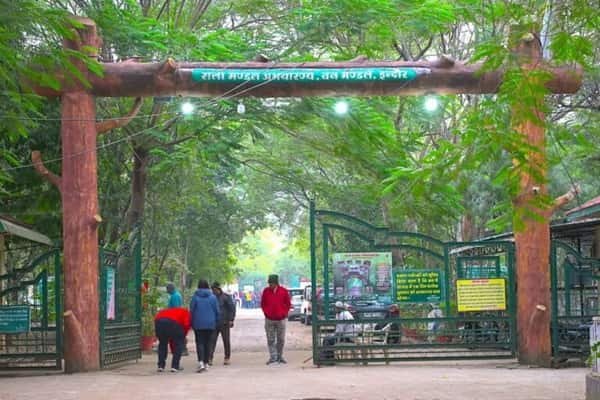
Ralamandal Wildlife Sanctuary is Indore’s nearest forested hill escape, a small protected area where a steep walk can take you from the city fringe to open viewpoints and the historic Shikargah associated with the Holkar period. Spread over roughly 5 sq km, the sanctuary is modest in size compared with Madhya Pradesh’s famous tiger reserves, and visitors should approach it with different expectations. Ralamandal is primarily a nature-walk, trekking, birding and hill-view destination where deer, nilgai, hare, jackal, porcupine and other animals may be encountered, while larger predators are far less likely to appear during an ordinary daytime visit. The climb and dry forest give the sanctuary a strong seasonal character: the monsoon turns the hill green and dramatic, winter is comfortable for walking, and summer quickly becomes hot. Its closeness to Indore makes it popular with morning walkers, families and students, but that convenience can also mean busier weekends. The Madhya Pradesh Forest permit system includes Ralamandal among the state’s bookable protected areas, while current visitor information shows inexpensive walk-in entry. For the best experience, treat it as a half-day outdoor excursion and start early rather than visiting only for a quick photograph at the gate.
Quick About Ralamandal Wildlife Sanctuary
| Detail | Information |
| Location | Ralamandal, near Indore, Madhya Pradesh |
| Type | Hill wildlife sanctuary and nature-recreation area |
| Approximate Area | About 5 sq km |
| Established as Sanctuary | 1989 |
| Known For | Hill trek, birdlife, deer, viewpoints and Holkar-era Shikargah |
| Main Experience | Walking/cycling route, nature viewing and hilltop visit |
| Current Walk-in Fee | ₹25 per person for entry by walk |
| Typical Visiting Hours | Around 7:00 AM to 5:00 PM; seasonal/management changes can apply |
| Best Season | October to March; monsoon is scenic for greenery |
Ralamandal Wildlife Sanctuary Timings
Current public visitor listings show Ralamandal open from early morning to late afternoon. Madhya Pradesh Forest rules also allow protected-area managers to adjust entry and exit according to sunrise, sunset, weather and local conditions, so travellers making a special early-morning trip should verify the gate timing on the day.
| Day | Typical Opening Time | Typical Closing Time |
| Monday to Sunday | 7:00 AM | 5:00 PM |
The sanctuary may close or change routes temporarily because of weather, fire risk or management requirements. Early morning remains the most practical time for the climb, particularly in warm months.
Ralamandal Wildlife Sanctuary Ticket Price
The most recent publicly reported fee revision for Ralamandal raised the charge for entry by walk. The MP Forest permit portal continues to include Ralamandal among its protected areas, but individual activity rates may be updated, so the gate or booking screen should be treated as final.
| Entry / Activity | Current Published Charge |
| Visit by walk | ₹25 per person |
| Entry with own bicycle | ₹30 per person |
| Other vehicle / safari activities | Check current gate or MP Forest booking tariff |
Older travel pages show several different Ralamandal entry prices, which is why using the revised ₹25 walk-in rate is safer than repeating outdated ₹5, ₹20 or ₹60 figures. Additional rides or vehicle services, when operating, are separate from the basic walking ticket.
What to See at Ralamandal Wildlife Sanctuary
Ralamandal is best appreciated as a forested hill rather than as a guaranteed wildlife safari. The route gradually opens to views over the surrounding landscape, and the sanctuary’s history adds interest to the climb.
Shikargah: A Holkar-era hunting lodge near the top is one of the sanctuary’s most distinctive landmarks and gives the visit a heritage element.
Hill trail and viewpoints: The climb is the main physical experience. Higher stretches offer wide views, especially after the monsoon when the slopes are green.
Deer and common mammals: Chital, nilgai, barking deer, hare, jackal and smaller mammals may be seen, though sightings vary from day to day.
Birdwatching: The mixed dry forest and open hill habitat support resident birds and seasonal visitors, making early morning especially rewarding for binocular users.
Changing seasonal landscape: The sanctuary can look completely different in a dry summer compared with the lush monsoon and cool winter months.
How To Reach Ralamandal Wildlife Sanctuary
By Road
Ralamandal is on the outskirts of Indore and is most convenient by cab, auto-rickshaw or private vehicle. Depending on the starting point and traffic, the drive from central Indore generally takes around 30-45 minutes.
By Train
Indore Junction is the main railway station. From the station, a cab or auto-rickshaw is the easiest way to reach the sanctuary, especially for an early visit when local public transport may be less convenient.
By Air
Devi Ahilyabai Holkar Airport serves Indore. The sanctuary lies on the opposite side of much of the city from the airport, so road travel can take an hour or more in busy traffic. A direct cab is the simplest connection.
By Local Transport
Local buses can get visitors towards the Ralamandal side, but the last connection may still require an auto or other local ride. For families, senior visitors or anyone carrying camera gear, point-to-point road transport is easier.
Best Time to Visit Ralamandal Wildlife Sanctuary
October to March gives the most comfortable walking weather, with cooler mornings and a better chance of spending time on the hill without heat stress. Winter also suits birdwatching and photography because the light is softer and visitors can walk for longer.
July to September is visually impressive when rain turns the normally dry hill green. The trade-off is slippery ground, humidity and occasional route restrictions. April to June is the least comfortable period for a long climb; if visiting then, enter as early as possible, carry more water than you think you need and avoid the hottest afternoon hours.
Visitor Facilities and Practical Tips
Start early if you plan to walk all the way to the Shikargah; the incline becomes tiring after the sun rises higher.
Wear shoes with a firm sole and grip. The route is hilly even where the surface appears straightforward.
Carry drinking water and a light snack, but do not depend on food being available at every point inside.
Take binoculars for birds and distant wildlife rather than trying to approach animals for photographs.
Visitors with knee or heart-related exercise limitations should decide in advance how far they want to climb and avoid pushing to the top simply because others do.
Weekday mornings are usually calmer than popular weekend periods.
Important Rules for Visitors
Stay on authorised tracks and do not enter closed forest patches.
Do not feed deer, monkeys or any other wildlife.
Avoid loud music, shouting and unnecessary horn use.
Do not smoke, light fires or discard cigarette ends in the dry forest.
Carry all litter back to a bin or outside the sanctuary.
Respect temporary restrictions on cycles, vehicles or hilltop access when forest staff impose them.
FAQs About Ralamandal Wildlife Sanctuary
Q. How difficult is the walk to the top of Ralamandal?
It is a steady uphill walk rather than a flat park stroll. A reasonably fit visitor can do it at a relaxed pace, but the climb can feel demanding in heat. Comfortable footwear, water and short rests make a big difference.
Q. Can senior citizens enjoy Ralamandal without completing the full trek?
Yes. The sanctuary does not have to be treated as an all-or-nothing climb. Seniors can enjoy lower forest sections and turn back when comfortable. Vehicle or local mobility options may operate at times, but should be checked at the gate rather than assumed.
Q. Are large wild animals commonly seen near visitors?
No. Ralamandal has wildlife, but a normal day visit more often produces birds, deer or smaller mammals than a leopard or other large predator. Sightings are natural and unpredictable.
Q. Is Ralamandal a good photography location after rain?
Yes. The monsoon can produce vivid greenery, cloud cover and strong hill views. Protect equipment from sudden showers and avoid stepping off the path for a better angle, especially on slippery slopes.
Q. Can visitors bring bicycles?
The revised fee structure includes entry with a visitor’s own bicycle, but route access can be controlled. Check at the gate which sections are currently open to cycles.
Q. Is food easily available inside the sanctuary?
Availability can be limited and may vary by day. Carry sufficient water and a small amount of food for your own use, but keep the area clean and never feed wildlife.