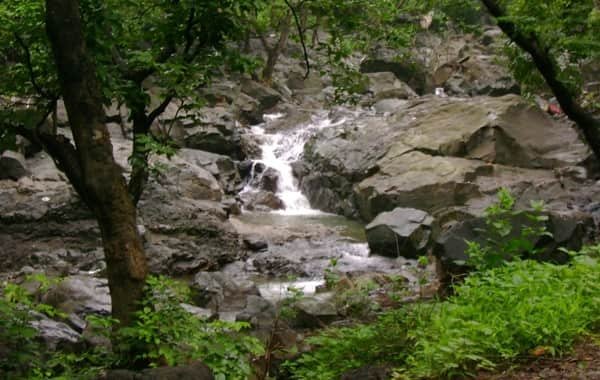
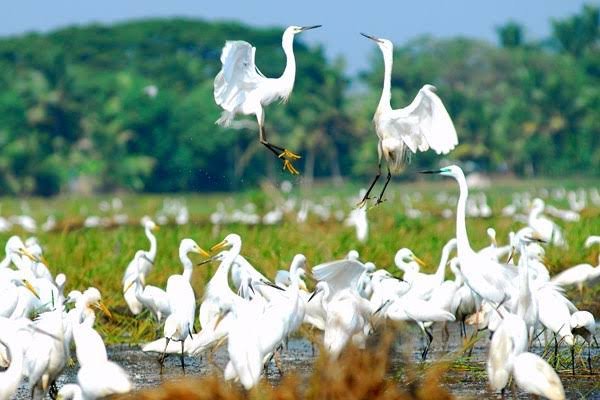
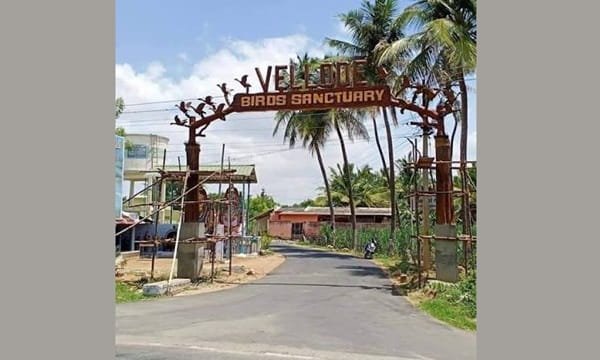
Vedanthangal Bird Sanctuary is one of India’s oldest community-protected waterbird habitats and a classic winter birding trip from Chennai. The sanctuary centres on a shallow lake where trees rising from the water become crowded with nesting birds after good rains. Local protection of the heronry goes back centuries, long before modern wildlife tourism, because farmers recognised that nutrient-rich water from the bird colony benefited surrounding fields. During a productive season, thousands of storks, egrets, cormorants, herons, ibises, spoonbills and pelicans can gather within a compact viewing area, making Vedanthangal particularly rewarding for families and first-time birdwatchers.
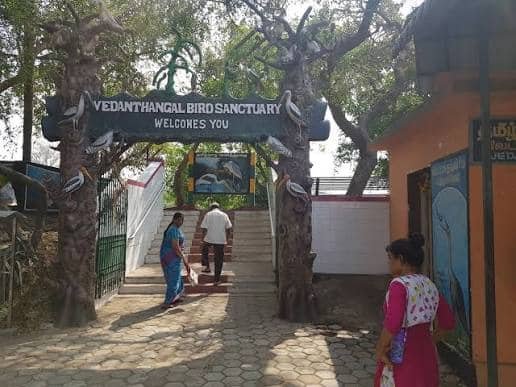
Quick About Vedanthangal Bird Sanctuary
| Detail | Information |
| Location | Vedanthangal, Chengalpattu district, Tamil Nadu |
| Type | Waterbird sanctuary and traditional heronry |
| Known For | Large nesting colonies on partially submerged trees |
| Nearest Major City | Chennai, about 65 km away |
| Nearest Railway Hub | Chengalpattu, about 25 km away |
| Best Season | November to March |
| Main Facilities | Watch tower, telescope and eco-tourism shop |
| Typical Visit Duration | 1.5-3 hours |
| Birding Style | Lake-edge observation rather than long trekking |
Vedanthangal Bird Sanctuary Timings
The Tamil Nadu Forest Department visitor page currently lists a simple daily opening schedule.
| Day | Opening Time | Closing Time |
| Daily | 6:00 AM | 6:00 PM |
Vedanthangal Bird Sanctuary Ticket Price
The Tamil Nadu Forest Department currently publishes the following basic visitor charges.
| Category / Service | Charge |
| Adult entry | ₹25 |
| Child entry | ₹5 |
| Parking | ₹10 |
| Still camera / mobile photography | ₹25 |
Note: Fees are modest but can be revised by the Forest Department. Carry small-value payment options and check locally if using specialised photography equipment.
What to See at Vedanthangal Bird Sanctuary
Nesting colonies of storks, egrets, cormorants, darters and herons can fill the trees when water and food conditions are favourable.
Pelicans, spoonbills, ibises, moorhens, kingfishers, sandpipers and other wetland birds may also be seen in season.
The watch tower gives a broader view over the lake and is useful when the nesting trees are crowded.
The sanctuary is compact, so visitors can enjoy productive birdwatching without a long forest trek.
How To Reach Vedanthangal Bird Sanctuary
By Road
Vedanthangal is around 65 km from Chennai. The common road route uses the Chennai-Trichy highway towards Chengalpattu, followed by the turn near Padalam towards Vedanthangal. Regular buses also operate from Chennai/Tambaram and Chengalpattu in the wider area.
By Train
Chengalpattu is the nearest major railway station at roughly 25 km. From the station or bus stand, visitors can continue by local bus, taxi or hired vehicle.
By Air
Chennai International Airport is the nearest airport. From the airport, a road transfer is required and travel time depends heavily on traffic and the route through the southern Chennai suburbs.
Best Time to Visit Vedanthangal Bird Sanctuary
November to March is the best period for most visitors, although the exact quality of a season depends on rainfall and the lake’s water level. When the monsoon has been favourable, nesting activity can be spectacular. Morning visits are comfortable and active, while late afternoon offers softer light and returning birds.
Visitor Facilities and Important Rules
Use the watch tower and designated viewing areas rather than trying to approach nesting trees.
A telescope facility is listed among the sanctuary amenities, but carrying personal binoculars is still useful.
Keep voices low because breeding birds are sensitive to disturbance.
Do not throw food, stones or other objects towards the water or nesting colonies.
Carry sun protection and drinking water, especially later in the season when daytime temperatures rise.
Photography should remain non-intrusive; avoid flash around nesting and roosting birds.
FAQs About Vedanthangal Bird Sanctuary
Q. Does Vedanthangal remain equally good every winter?
No. Bird numbers depend strongly on monsoon rainfall, water level and food availability. A good rainfall year can produce an exceptional nesting season, while a poor water year may bring fewer birds.
Q. Is Vedanthangal suitable for visitors who cannot walk long distances?
It is generally easier than large forest sanctuaries because birdwatching is concentrated around the lake and established viewing areas. Visitors with mobility concerns should still check local access conditions before travel.
Q. Do birds nest close enough to see without a powerful camera?
Many colonies can be observed clearly from the viewing side of the lake, especially with binoculars. A long camera lens improves photographs but is not necessary to enjoy the spectacle.
Q. Can a Vedanthangal trip be combined with another birding site?
Yes. Karikili Bird Sanctuary lies in the same broader region and is often considered by birders planning a fuller day, although access and seasonal conditions should be checked separately.
Q. Is the sanctuary a good place to take school-age children?
Yes. The compact layout, visible bird colonies and educational value make it suitable for children who can remain quiet around wildlife. Binocular sharing can make the visit more engaging.