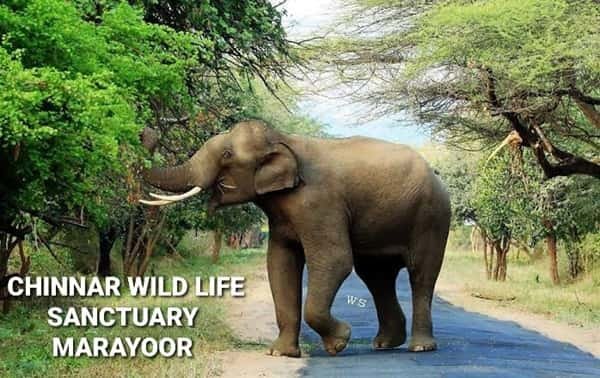
Chinnar Wildlife Sanctuary feels very different from the misty tea-estate image most travellers associate with Munnar. Set on the eastern, rain-shadow side of the Western Ghats in Idukki district, the landscape is noticeably drier, more open and rugged. Thorny scrub, dry deciduous forest, riverine stretches, rocky slopes and patches of sandalwood country create a habitat that supports wildlife not always easy to experience elsewhere in Kerala. The sanctuary is especially important for the grizzled giant squirrel, and it also shelters elephants, gaur, deer, langurs, reptiles, butterflies and a rich variety of birds.
For visitors, Chinnar is not a drive-through sightseeing stop. The most rewarding experiences are organised through guided trekking, waterfall trails, nature programmes and selected jeep-based eco-tourism activities. The Chinnar and Pambar river systems add another layer to the landscape, while the popular Thoovanam Falls trek gives visitors a close look at the sanctuary’s terrain rather than only a distant forest view. Marayoor is the nearest practical base, while Munnar is commonly used as the larger tourist hub. Anyone planning a visit should keep enough time for travel, reporting at the check post and a guided activity instead of treating Chinnar as a quick roadside halt.
Quick About Chinnar Wildlife Sanctuary
| Detail | Information |
| Location | Marayoor–Udumalpet road region, Idukki district, Kerala |
| Area | About 90.44 sq km |
| Year of formation | 1984 |
| Landscape | Rain-shadow forest, dry deciduous woodland, scrub, riverine habitat and rocky hills |
| Known for | Grizzled giant squirrel, guided treks, Thoovanam Falls and distinctive dry-zone ecology |
| Nearest practical town | Marayoor |
| Distance from Munnar | About 40 km |
| Best season | December to March for comfortable trekking; post-monsoon months are greener |
| Ideal visit duration | Half day for a guided trek; longer if combining multiple programmes |
Timings
Chinnar does not operate as a single attraction with one universal gate schedule. Visitor experiences are programme-based, and the official Kerala Tourism eco-tourism information gives specific reporting windows for major activities. The most useful timing for day visitors is the window for guided treks and the jeep programme.
| Activity / Day | Timing | Notes |
| Thoovanam Falls guided trek | 8:00 AM to 2:00 PM reporting/operation window | The trek itself usually takes about 3 hours |
| Jeep safari to Marayoor / surrounding eco-tourism circuit | 8:00 AM to 2:00 PM | Packages are offered in different durations |
| Log-house stay | Check-in 2:00 PM; check-out 10:00 AM | Advance availability is important |
Weather, forest conditions and staff availability can affect specific programmes. Reach early and confirm the activity before travelling a long distance, particularly in very hot weather or during heavy rain.
Ticket Price
Chinnar has a basic sanctuary entry charge, while trekking, jeep programmes and stays are priced separately. Government-published tariffs and Kerala Tourism programme rates can be revised, so the figures below should be used as planning references rather than as a guarantee for every date.
| Category / Activity | Price / Charge |
| Basic sanctuary entry – Indian visitor | Around ₹25 per person in the Forest Department published tariff |
| Basic sanctuary entry – foreign visitor | Around ₹315 per person in the Forest Department published tariff |
| Thoovanam Falls guided trek | ₹250 for Indian visitors; ₹600 for foreign visitors |
| Jeep eco-tourism programme | ₹3,000 for 3 hours; ₹6,000 for 5 hours |
| Log-house stay | Around ₹4,000 for two persons, with extra-person and entry charges separate |
Visitor charges, activity availability and local operating rules can be revised. Check the current amount at the official counter or authorised booking channel before making a long journey.
Why Chinnar Wildlife Sanctuary Is Special
The sanctuary occupies an ecological transition zone between the wetter Western Ghats and the drier plains toward Tamil Nadu. This is the reason Chinnar does not look like a typical Kerala rainforest. The vegetation changes sharply with elevation, slope and access to water, and that variety creates several small habitats within a relatively limited area. Dry thorn forest may appear sparse at first glance, but it supports animals and birds adapted to heat and seasonal water availability.
Chinnar is particularly associated with the grizzled giant squirrel, one of the most important conservation species in the region. The sanctuary’s riverine trees provide feeding and nesting habitat for the species. Visitors should remember that a wildlife sanctuary is not a zoo: sightings depend on movement, weather, noise and chance. Even when large mammals are not seen, the landscape, birdlife, tracks, calls and smaller animals can make the guided walk worthwhile.
What to See and Experience
The Thoovanam Falls trek is one of the most popular activities. The roughly four-kilometre guided trail starts from the Alampetty side and follows forest terrain with stretches near the river. It is not an extreme trek, but the heat can make it tiring, especially around midday. The waterfall is the reward, but the trail itself is the real experience because it passes through Chinnar’s dry forest, riverine vegetation and rocky country.
The wider Chinnar-Marayoor landscape is also known for sandalwood country, tribal settlements and changing vegetation. Birdwatchers may look for raptors, woodland birds and dry-zone species, while patient visitors may encounter giant squirrels, langurs, spotted deer, sambar or gaur. Elephant movement is possible, which is one reason visitors should not leave marked routes or ignore the guide’s instructions.
How To Reach Chinnar Wildlife Sanctuary
By road: Chinnar lies on the Munnar-Marayoor-Udumalpet route. From Munnar, the road passes through Marayoor before reaching the sanctuary zone. The journey is scenic but winding, so travel time can be longer than the distance suggests. Buses operate on the regional route, but a taxi or private vehicle offers more flexibility if you have a fixed trek reporting time.
By train: Aluva and Angamaly are commonly used Kerala railheads for the Munnar region, both more than 100 km away from Chinnar. Depending on your wider itinerary, Coimbatore can also be a practical approach from the Tamil Nadu side. From the railway station, the final journey is by road.
By air: Coimbatore International Airport is one of the closer airports to Chinnar and is roughly 90 km away by road. Cochin International Airport is another major option, especially for travellers combining Chinnar with Munnar and central Kerala.
Best Time to Visit Chinnar Wildlife Sanctuary
December to March is the most comfortable period for a general nature visit because mornings are pleasant and walking conditions are usually better. The sanctuary remains a relatively dry landscape, so strong sun can be a factor even in cooler months. Start early, carry water and use sun protection on exposed trails.
The post-monsoon period gives the forest a fresher appearance and can improve water flow around streams and waterfalls. Summer can be hot and physically demanding, although dry conditions can sometimes improve visibility in open forest. Heavy rain may affect trekking routes, waterfall access and eco-tourism operations, so package availability should always be checked if weather has been unsettled.
Visitor Facilities and Practical Planning
Chinnar is best approached as an organised forest experience rather than as a conventional park with extensive tourist infrastructure. Eco-tourism programmes are managed around check posts and forest staff, and guided access is central to the experience. Basic eco-shops and programme facilities are available in the wider forest-management system, while accommodation options include selected forest stays when operational.
Wear lightweight, breathable clothing in muted colours and shoes with a firm grip. Carry drinking water, a cap, sunscreen and any essential medicine. Binoculars are more useful than a powerful camera for many visitors because bird and squirrel sightings can occur high in the canopy. Mobile connectivity can be unreliable in forest stretches, so keep your booking details and essential contacts available offline.
Important Rules for Visitors
Stay with the authorised guide on trekking routes. Do not feed wildlife, play loud music, throw food waste, collect plants or approach animals for photographs. Alcohol, smoking and fire are incompatible with a protected dry forest where fire risk can be serious. Follow any temporary restrictions imposed by forest staff, especially when elephants are moving close to a trail or when a route becomes unsafe after rain.
FAQs
Q. Is Chinnar suitable for first-time trekkers?
Yes, selected programmes such as the Thoovanam trail can suit reasonably fit first-time trekkers, but heat and uneven ground make proper footwear and water important. A guide accompanies the organised trek.
Q. Can children join the guided programmes?
Older children who are comfortable walking outdoors can usually enjoy the experience, but age suitability depends on the specific trek and weather. Families should confirm the programme before booking rather than assume every trail is suitable for small children.
Q. Do I need to hire a private wildlife guide?
For forest trekking and official eco-tourism activities, visitors generally use the guide arrangement provided through the authorised programme. Independent wandering inside protected forest areas is not appropriate.
Q. Is Chinnar a good destination only for large-animal sightings?
No. Chinnar is valuable for its dry-forest ecology, river habitat, giant squirrels, birds, butterflies, reptiles and scenery. Visitors who focus only on elephants or gaur may miss much of what makes the sanctuary distinctive.
Q. Can a Chinnar visit be combined with Marayoor in one day?
Yes. Marayoor is close enough to combine with Chinnar, especially if you choose a morning forest activity and keep the rest of the day flexible. Avoid trying to pack Munnar, Marayoor and a long trek into a very tight schedule.
Q. Should accommodation inside the forest be booked in advance?
Yes. Forest log houses and similar stays have limited capacity and can be unavailable due to maintenance, weather or management decisions. Advance confirmation is much safer than arriving with an overnight stay in mind.