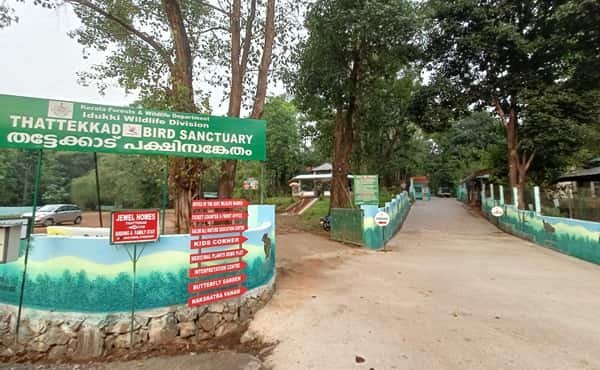
Thattekkad Bird Sanctuary is one of Kerala’s most serious birding destinations, a 25 sq km lowland forest landscape on the Periyar system near Kothamangalam. Also known as the Dr. Salim Ali Bird Sanctuary, it became Kerala’s first bird sanctuary in 1983 after the celebrated ornithologist highlighted the exceptional richness of the area. That reputation still defines the visit. This is not simply a wetland where a few waterbirds can be watched from one platform; Thattekkad brings together tropical evergreen and semi-evergreen forest, moist deciduous stretches, riverine habitat, plantations, lagoons and reservoir edges. More than 270 bird species are associated with the sanctuary, including Western Ghats specialities such as Malabar grey hornbill and Malabar trogon as well as sought-after forest birds such as the Sri Lanka frogmouth. The best visit is therefore slow, quiet and preferably guided, because many species stay inside dense vegetation and are identified by call before they appear. Nature walks, bird trails, watchtowers, trekking and selected boating activities add variety, but birding remains the central reason to come. Early morning is the key: visitors who arrive soon after opening have a much better chance of hearing and seeing active birds before the forest warms and the day becomes busier.
Quick About Thattekkad Bird Sanctuary
| Detail | Information |
| Location | Thattekkad, near Kothamangalam, Ernakulam district, Kerala |
| Also Known As | Dr. Salim Ali Bird Sanctuary |
| Area | 25 sq km |
| Established | 1983 |
| Special Status | First bird sanctuary in Kerala |
| Bird Diversity | More than 270 species |
| Main Habitats | Evergreen, semi-evergreen, moist deciduous and riverine forest with reservoir wetlands |
| Main Activities | Bird trails, nature walks, trekking, watchtower and selected boating |
| Best Season | October to March |
Thattekkad Bird Sanctuary Timings
Current Incredible India visitor information lists the sanctuary open from morning to late afternoon. Birdwatchers should still treat the first two or three hours as the prime window rather than arriving near closing.
| Day | Opening Time | Closing Time |
| Monday to Sunday | 7:00 AM | 5:00 PM |
Specific guided trails, boating and trekking products can have their own reporting times and may stop earlier than the general sanctuary closing time. Heavy rain, dam operations or forest conditions can also affect individual activities.
Thattekkad Bird Sanctuary Ticket Price
Kerala Forest Department visitor information lists the following main entry charges for Thattekkad. Activity-based bird trails, trekking, boating and overnight programmes are priced separately.
| Visitor Category | Entry Fee |
| Indian adult | ₹50 |
| Indian child | ₹45 |
| Foreign adult | ₹200 |
The same Forest Department information lists additional products such as pedal boating, sanctuary boating and guided bird trails. For example, the published sanctuary boating charge is ₹150 for adults and ₹70 for children, while trail and trekking prices vary by programme. Confirm the selected activity at the counter because seasonal conditions can affect availability.
What to See at Thattekkad Bird Sanctuary
Thattekkad rewards visitors who listen as much as they look. Thick forest means a bird may be only a few metres away and still remain invisible until it moves or calls.
Forest birds: Malabar trogon, Malabar grey hornbill, woodpeckers, drongos, hill mynas, barbets and many other Western Ghats species are among the sanctuary’s major attractions.
Sri Lanka frogmouth: This cryptic nocturnal bird is one of the most sought-after Thattekkad sightings, usually found with local knowledge rather than by casual scanning.
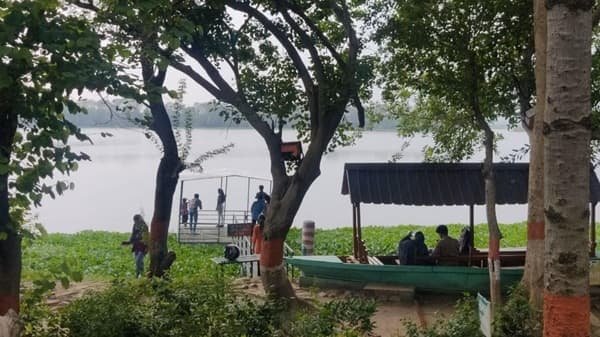
River and reservoir habitats: The Periyar and the Bhoothathankettu reservoir system add waterbirds and open-habitat species to the forest bird list.
Bird trails and watch points: Marked trails and guided routes help visitors enter quieter forest habitat without wandering into sensitive areas.
Other wildlife: The sanctuary also supports mammals, reptiles, amphibians, butterflies and rich plant life, so even a quiet bird day can still be biologically interesting.
How To Reach Thattekkad Bird Sanctuary
By Road
Thattekkad is about 12 km from Kothamangalam. Buses, taxis and private vehicles can reach Kothamangalam from Kochi and other parts of Ernakulam district, followed by a local road connection to the sanctuary.
By Bus
A practical public-transport route is to take a bus to Kothamangalam and then continue by local bus, taxi or auto-rickshaw towards Thattekkad. Birdwatchers aiming for the 7:00 AM opening may find a pre-arranged cab easier than relying on multiple early connections.
By Train
Aluva and Ernakulam railway stations are useful rail gateways. From either, continue by road towards Perumbavoor/Kothamangalam and Thattekkad. The best station depends on your train and where you are staying in the Kochi region.
By Air
Cochin International Airport is the nearest major airport. From the airport, Thattekkad is reached by road through the Perumbavoor-Kothamangalam side. A taxi is the simplest option for visitors carrying binoculars and camera equipment.
Best Time to Visit Thattekkad Bird Sanctuary
October to March is the strongest all-round birding season according to Kerala Tourism. The weather is generally more comfortable, forest trails are easier than during peak monsoon and both resident and seasonal bird activity can be excellent.
The monsoon gives the forest extraordinary colour and sound but can make paths muddy and leech-prone, while boating may be affected by dam operations. Summer remains birdable, yet heat builds quickly. Whatever the month, begin near 7:00 AM. The difference between an early forest walk and a late-morning stroll can be substantial because many birds become quieter as temperature and human activity rise.
Visitor Facilities and Practical Tips
Hire an experienced local bird guide if you are hoping for specific Western Ghats species; knowledge of calls and roosts is extremely valuable.
Wear dull green, brown or neutral clothing rather than bright colours that stand out in the forest.
Carry binoculars with a comfortable strap; long periods of looking into the canopy can become tiring with heavy equipment.
Use leech socks or closed footwear during wet months and carry a light rain jacket.
Protect electronics from humidity and sudden rain, especially on longer trails.
Keep at least half a day for serious birding rather than trying to fit the sanctuary into a one-hour stop.
Important Rules for Visitors
Keep quiet on bird trails and do not surround or chase a bird for a photograph.
Avoid repeated playback of bird calls, especially near nests or roosts.
Remain on authorised trails and follow the guide or Forest Department instructions.
Do not feed birds, monkeys or other wildlife.
Carry all plastic and food waste back out of the forest.
Respect any suspension of boating or trail access caused by rain, dam release or wildlife movement.
FAQs About Thattekkad Bird Sanctuary
Q. Is a guide really necessary at Thattekkad?
A casual visitor can walk without a specialist guide where normal entry permits allow, but a good bird guide can transform the experience. Dense vegetation hides many species, and local guides recognise calls, feeding trees and regular roosts that first-time visitors would miss.
Q. Is Thattekkad suitable for beginner birdwatchers?
Yes. Common hornbills, drongos, kingfishers and forest birds can make the visit enjoyable even without an advanced checklist. A guided walk is particularly helpful for learning how to identify birds by sound and behaviour.
Q. Are leeches common on the bird trails?
They can be during the wet season and after heavy rain. Closed shoes, long socks or leech socks are useful. In the drier winter months the problem is usually much smaller.
Q. Does the normal ticket include a boat ride?
No. Boating is a separate activity with its own charge and may not operate under some water or dam conditions. Confirm availability at the counter before planning the day around it.
Q. Can children enjoy Thattekkad if they are not patient birdwatchers?
Yes, but keep the route shorter and mix birdwatching with the interpretation facilities, river scenery or other available visitor activities. Very long silent trails can be tiring for younger children.
Q. Is professional bird photography allowed everywhere?
Regular photography is part of many visits, but equipment or commercial work can be subject to additional rules and charges. Photographers must also stay on approved trails and avoid disturbing birds for a close shot.