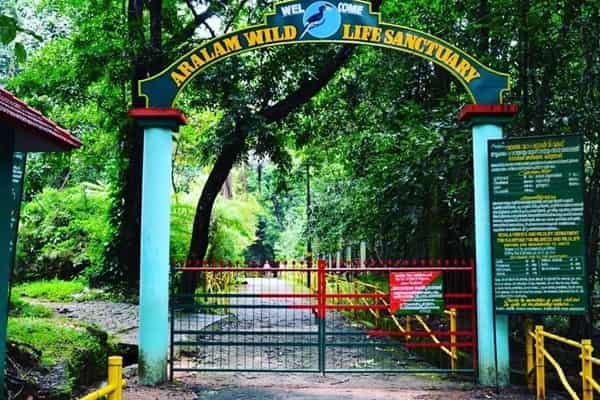
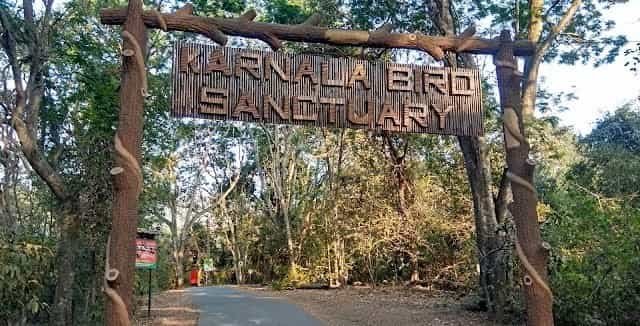
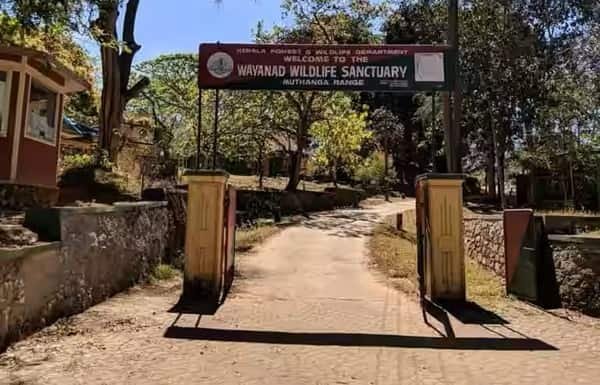
Muthanga is the best-known visitor zone of Wayanad Wildlife Sanctuary and one of the easiest places in Kerala to experience a regulated forest safari. Located south of Sulthan Bathery, the area forms part of the wider Nilgiri landscape and connects ecologically with forests in Karnataka and Tamil Nadu. Dry and moist deciduous woodland, bamboo, grass clearings and seasonal water sources support elephants, gaur, deer, wild boar, monkeys and a wide range of birds. Tigers and leopards are part of the larger landscape, but sightings are rare and should never be treated as an expectation for a short tourist safari.
For most travellers, a Muthanga visit centres on the vehicle safari operated through the forest range. The experience is more about entering a protected forest at controlled times than about guaranteed wildlife encounters. Some drives may produce excellent elephant or deer sightings; others can be quiet. The real value is the chance to observe a connected Western Ghats forest under strict visitor limits. Because safari seats and vehicles can be limited, especially on weekends and holidays, arriving early is important. Sulthan Bathery is the most practical town for accommodation and onward travel.
Quick About Muthanga Wildlife Sanctuary
| Detail | Information |
| Location | Muthanga, south of Sulthan Bathery, Wayanad district, Kerala |
| Protected area | Visitor range of Wayanad Wildlife Sanctuary |
| Wayanad Wildlife Sanctuary area | About 344.44 sq km |
| Year of formation | 1973 |
| Known for | Elephants, deciduous forest, regulated vehicle safari and Nilgiri landscape connectivity |
| Nearest major town | Sulthan Bathery, about 14 km |
| Safari style | Forest-authorised vehicle safari with limited daily slots |
| Best season | October to March |
| Ideal visit duration | 2 to 3 hours including reporting, ticketing and safari |
Timings
Muthanga safaris operate in restricted morning and afternoon windows. These short windows are designed to reduce disturbance and avoid the hottest part of the day. Capacity can be capped, so the published timing is not the same as guaranteed entry.
| Activity / Day | Timing | Notes |
| Morning safari | 7:00 AM to 10:00 AM | Arrive before the slot, especially on busy days |
| Afternoon safari | 3:00 PM to 5:00 PM | Last vehicles depend on quota and forest conditions |
Forest authorities can suspend or shorten safari operations because of heavy rain, fire risk, wildlife movement, maintenance or other management reasons. Reach early rather than planning to arrive near the end of a slot.
Ticket Price
Kerala Forest Department publications list separate entry, camera and interpretation charges. The vehicle/jeep safari component is charged separately and can change, so visitors should check the current counter amount rather than rely on old online jeep prices.
| Category / Activity | Price / Charge |
| Indian adult entry | About ₹145 per person |
| Indian student entry | About ₹60 with valid student identification |
| Foreign visitor entry | About ₹350 per person |
| Still camera | About ₹40 |
| Video camera | About ₹240 |
| Interpretation centre | About ₹10 |
| Safari vehicle / jeep | Extra; current rate payable separately at the range counter |
Visitor charges, activity availability and local operating rules can be revised. Check the current amount at the official counter or authorised booking channel before making a long journey.
What Makes Muthanga Important
Muthanga is part of a much larger conservation landscape rather than an isolated patch of forest. Wayanad connects with Bandipur and Nagarhole in Karnataka and the Mudumalai landscape in Tamil Nadu, creating routes used by elephants and other wide-ranging animals. This landscape connectivity is one of the main reasons the sanctuary is ecologically significant.
The forest changes through the year. After the monsoon, vegetation is thick and fresh; later in the dry season, leaves thin out and visibility may improve. Bamboo, grass openings and water sources can attract herbivores. Birdlife is also rich, with peafowl, junglefowl, woodpeckers, drongos, raptors and many other forest species possible along the route.
What to Expect on the Safari
The safari follows authorised forest tracks and normally lasts around an hour to two hours depending on the route and operating conditions. Visitors stay inside the assigned vehicle. Drivers must follow speed, route and stopping rules, so the experience is different from a private wildlife photography tour where a vehicle may wait for long periods.
Elephants are the species many visitors hope to see, and Muthanga can be productive for them, but there is no guarantee. Spotted deer, sambar, gaur, langurs, macaques and wild boar may also appear. A quiet drive with only tracks, bird calls and forest scenery is still a normal wildlife experience.
How To Reach Muthanga Wildlife Sanctuary
By road: Muthanga is around 14 km from Sulthan Bathery on the route toward the Karnataka border. Sulthan Bathery has frequent bus and taxi connections within Wayanad and toward Mysuru, Kozhikode and neighbouring towns. If you are staying elsewhere in Wayanad, allow extra time for winding roads and morning mist.
By train: Kozhikode is the main railhead commonly used for Wayanad and is roughly 110 km from Muthanga. Mysuru railway station can also be practical for travellers arriving from Karnataka. The final journey must be completed by road.
By air: Kannur International Airport and Calicut International Airport are the two main Kerala options for Wayanad. Mysuru airport may suit some itineraries depending on flight availability. None is immediately next to the sanctuary, so road transfer time needs to be built into the plan.
Best Time to Visit Muthanga Wildlife Sanctuary
October to March is generally the best balance of comfortable weather, road conditions and wildlife viewing. Early morning safaris can be cool, especially between December and February, while afternoon drives are warmer but may still be productive near water and open areas.
April and May can be hot. Dry conditions may improve visibility but also increase fire risk and heat stress. The southwest monsoon transforms the forest into a lush landscape, but heavy rain can affect safari operations, road surfaces and animal visibility. If a safari is the main reason for your trip, check local conditions before travelling during peak monsoon.
Facilities and Practical Planning
The Muthanga range has visitor infrastructure linked to the forest department, including ticketing and basic eco-tourism facilities. Do not expect a luxury safari lodge environment at the entrance. Sulthan Bathery is the better place for hotels, meals, fuel and major shopping.
Carry a government-issued photo ID and student ID if claiming a student category. Wear neutral clothing and avoid perfumes or strong scents. A compact pair of binoculars is useful for birds and distant mammals. Keep cameras ready but do not lean out of the vehicle, demand off-route driving or pressure the driver to chase animals.
Important Rules for Visitors
Remain in the vehicle during the safari unless forest staff specifically allow otherwise. Feeding animals, shouting, playing music, smoking, littering and carrying alcohol are inappropriate in a protected forest. Flash photography near animals should be avoided. If an elephant is close to the track, follow the driver’s instructions and stay quiet; crowding or provoking wildlife can be dangerous.
FAQs
Q. Is Muthanga safari suitable for young children?
Families do visit, but children should be able to sit quietly for the full ride. Very young children may find the waiting time, vehicle movement and early reporting hour tiring.
Q. Can I book a private jeep only for my family?
Vehicle allocation practices can change. If you need an exclusive vehicle rather than shared seating, ask at the official counter and be prepared to pay the applicable full vehicle charge if that option is available.
Q. Which is better, Muthanga or Tholpetty?
Both are visitor ranges of Wayanad Wildlife Sanctuary. Muthanga is more convenient for Sulthan Bathery and travellers approaching from Mysuru, while Tholpetty suits northern Wayanad itineraries. Wildlife sightings vary daily, so neither guarantees better sightings.
Q. Are tigers commonly seen on the tourist safari?
No. Tigers occur in the wider landscape but are secretive and sightings on a short tourist drive are uncommon. Plan the visit for the forest experience rather than a tiger guarantee.
Q. Can I get off the jeep to take photographs?
Normally no. Visitors are expected to remain in the vehicle on the safari route unless forest staff direct otherwise. This protects both people and wildlife.
Q. What should I do if the morning quota is full?
Ask whether the afternoon slot still has availability and avoid buying unofficial access promises from unverified agents. During peak periods, keeping another Wayanad activity as a backup is sensible.