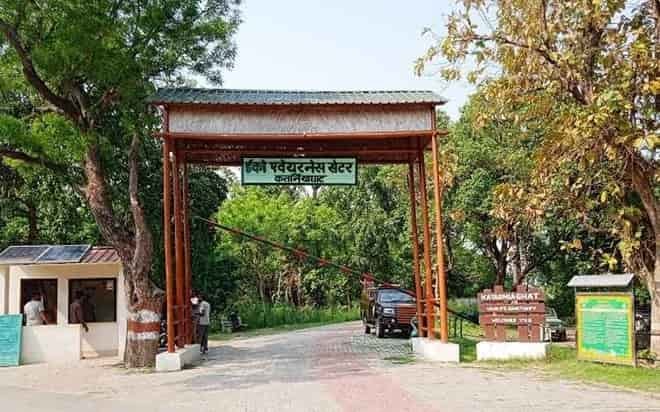
Katarniaghat Wildlife Sanctuary is one of the most ecologically varied parts of the Dudhwa Tiger Reserve landscape. Located in Bahraich district in the Terai of Uttar Pradesh, the sanctuary protects a mosaic of sal forest, tall grassland, swamps, wetlands and riverine habitat along the Girwa-Kaudiyala system. The sanctuary itself covers about 400.09 sq km within a larger wildlife division, and its location gives it strategic importance in the forest connection between Dudhwa-Kishanpur and habitats towards Nepal.
For travellers, Katarniaghat offers far more than a standard jeep safari. The official Uttar Pradesh Ecotourism programme highlights wildlife safari, birdwatching, boating, nature trails and photography, while the river system creates possibilities of seeing gharial and Gangetic dolphin in addition to terrestrial wildlife. Tigers, swamp deer, elephants, rhinos moving within the broader Terai landscape, vultures and Bengal florican are among the species associated with the region. Because different activities operate on different routes and schedules, a well-planned overnight trip gives a much better experience than trying to arrive from Lucknow and return the same day.
Quick About Katarniaghat Wildlife Sanctuary
| Detail | Information |
| Location | Bahraich district, Uttar Pradesh |
| Protected Area | Wildlife Sanctuary; part of Dudhwa Tiger Reserve |
| Sanctuary Area | About 400.09 sq km |
| Landscape | Sal forest, grassland, swamp, wetland and riverine habitat |
| Known For | Tiger habitat, gharial, Gangetic dolphin, birding and Terai wilderness |
| Main Tourism Zones | Katarniaghat, Motipur and Kakraha areas |
| Nearest Major Airport | Lucknow |
| Best Tourism Season | 15 November to 15 June |
| Safari Type | Authorised vehicle with guide |
| Accommodation | UP Ecotourism camps / huts, subject to booking |
Katarniaghat Wildlife Sanctuary Timings
Uttar Pradesh Ecotourism publishes seasonal safari shifts. Winter safaris run in the morning from 7:00 AM to 10:00 AM and in the afternoon from 3:00 PM until before sunset. Summer shifts begin earlier in the morning and later in the afternoon.
| Season / Shift | Start Time | End Time |
| Winter morning | 7:00 AM | 10:00 AM |
| Winter evening | 3:00 PM | Before sunset |
| Summer morning | 6:00 AM | 9:00 AM |
| Summer evening | 4:30 PM | Before sunset |
The official portal notes a latest evening entry time around 4:00 PM for safari operations. Exact operational dates and route availability should be checked during booking.
Katarniaghat Wildlife Sanctuary Ticket Price
The current UP Ecotourism tariff page publishes both sanctuary entry fees and safari prices. Safari vehicle charges include the guide and vehicle-entry components, while photography can attract separate charges under Forest Department rules.
| Visitor / Service | Current Published Charge |
| Indian adult sanctuary entry | ₹250 per trip |
| Indian child, 5+ years | ₹100 |
| Foreign adult sanctuary entry | ₹2,000 per trip |
| Foreign child, 5+ years | ₹1,400 |
| Katarniaghat full safari vehicle | ₹4,000; up to 7 persons |
| Katarniaghat per-person offline option | ₹800 |
| Motipur-Kakraha full vehicle | ₹5,000; up to 7 persons |
| Motipur-Kakraha per-person offline option | ₹1,000 |
Tariff pages on the UP Ecotourism site have changed over time, so use the amount shown at the time of booking if it differs from this reference. Accommodation is priced separately.
What to See and Do at Katarniaghat Wildlife Sanctuary
Katarniaghat’s strength is habitat diversity. A morning may be spent in sal forest and tall grass, while another activity can focus on river channels where reptiles and dolphins are the main interest.
Wildlife safari: Authorised vehicles cover designated routes in the tourism zones. Tiger is the headline species, but deer, wild boar, monkeys, elephants and many birds are more frequently encountered.
Gharial and river wildlife: The Girwa river system is important gharial habitat. Depending on current conditions and permitted boating, visitors may also have a chance to observe Gangetic dolphins.
Birdwatching: The sanctuary supports raptors, wetland birds, grassland species and threatened vultures. The Terai environment makes winter particularly productive for birders.
Nature trails: Guided trails provide a slower look at sal forest, tracks, plants and smaller wildlife. Trail availability depends on local management and wildlife movement.
Tharu cultural landscape: Tharu communities live in the wider region. Responsible tourism can add cultural understanding, but visitors should treat villages as living communities rather than staged attractions.
Wildlife and Habitat
The sanctuary’s sal forests are broken by tall grassland, wetlands and river channels. This mixture is essential for species with very different needs, from swamp deer and Bengal florican in open habitats to tiger and leopard using forest cover. Gharial and dolphin depend on healthy river systems, showing why Katarniaghat is more than a land-based protected area.
Wildlife sightings remain unpredictable. Dense sal forest can hide even large animals at short distance. Experienced visitors often value tracks, alarm calls, river activity and bird diversity as much as a single tiger sighting.
How To Reach Katarniaghat Wildlife Sanctuary
By Road from Lucknow
UP Ecotourism gives a route through Sitapur, Lakhimpur and Shardanagar towards Katarniaghat. The drive is long enough that an overnight stay is strongly recommended.
By Road from Delhi
The official route guidance runs through Moradabad, Bareilly, Shahjahanpur, Mailani, Palia and Nighasan before reaching the sanctuary region. This is a long road journey and is better split with rest if the driver is not accustomed to extended travel.
By Train
Rail approaches depend on the chosen tourism zone. Stations around the Dudhwa-Terai belt can reduce road distance, but visitors should confirm onward transport before travel because last-mile public transport is limited.
By Air
Lucknow is the nearest major airport and has connections with major Indian cities. From Lucknow, continue by pre-arranged cab or a package vehicle.
Best Time to Visit Katarniaghat Wildlife Sanctuary
UP Ecotourism lists 15 November to 15 June as the ideal tourism season. December to February is comfortable for visitors, although mornings can be cold and foggy. March and April become warmer but can still offer excellent wildlife viewing, while May and early June are hot and require careful hydration.
The monsoon closes or restricts many Terai tourism activities because roads, rivers and forest conditions change dramatically. Do not plan a safari based only on general map access during the rainy season; use the official booking status.
How Much Time to Keep for the Visit
Two nights is an excellent length for a first visit because it allows more than one safari shift and gives room for a river or birding activity. One night can work if arrival is early enough for an evening activity followed by a morning safari. A day trip from Lucknow is technically possible but far too rushed for most visitors.
Visitor Facilities and Practical Tips
Book accommodation and safari together: The tourism area is remote, so coordinated planning reduces unnecessary driving between zones.
Carry warm clothing in winter: Open safari vehicles can feel very cold on foggy Terai mornings.
Use binoculars: They are valuable for river wildlife, grassland birds and distant deer.
Keep identification ready: Booking and entry verification may require government-issued photo ID.
Follow zone reporting time: Arriving late can mean losing a safari slot because vehicles operate within fixed wildlife-management windows.
Carry essential medicines: The sanctuary is not a city destination; bring personal medication rather than expecting immediate pharmacy access.
Important Rules for Visitors
Never leave the safari vehicle unless forest staff permit it. Do not ask drivers to chase wildlife, block animals on roads or exceed the speed limit for a photograph. Feeding, loud music, smoking, alcohol, littering and use of drones without formal permission are inappropriate in the protected area.
River activities require equal care. Keep life jackets on where provided, remain seated as instructed and do not reach towards crocodiles, gharial or dolphins. Riverbanks in the Terai can be soft or unstable, so avoid unauthorised walking at the water’s edge.
FAQs About Katarniaghat Wildlife Sanctuary
Q. Is Katarniaghat better for tigers or for river wildlife?
It is strong for both, but neither is guaranteed. The combination of forest safari and river habitat is what makes the sanctuary distinctive. Many visitors find gharial, birdlife and the Terai landscape as memorable as a big-cat sighting.
Q. Can a family of two book a full safari vehicle?
Yes, but the full-vehicle price applies when booking that option even if fewer than seven people travel. The official tariff also lists certain per-person offline options, subject to availability.
Q. Is boating available every day?
Not necessarily. River level, weather, wildlife-management decisions and current programme operation can affect boating. Confirm the activity before travelling specifically for a dolphin or gharial boat trip.
Q. Are mobile networks reliable in the sanctuary?
Coverage can be inconsistent. Download booking confirmations and maps before arrival, and keep the accommodation or camp contact number available offline.
Q. Can children join the safari?
Children can generally join family safaris, but very young children may struggle with cold winter mornings, long vehicle rides and the need to remain quiet. Bring suitable clothing and snacks.
Q. Is Katarniaghat suitable for senior citizens?
Vehicle safaris can be suitable, but climbing into open safari vehicles and travelling on rough forest tracks may be uncomfortable for people with significant mobility or back problems. Ask the operator about vehicle access before booking.